Failure to Seal Walls Leaves Condo Developer All Wet
Published: February 6, 2026
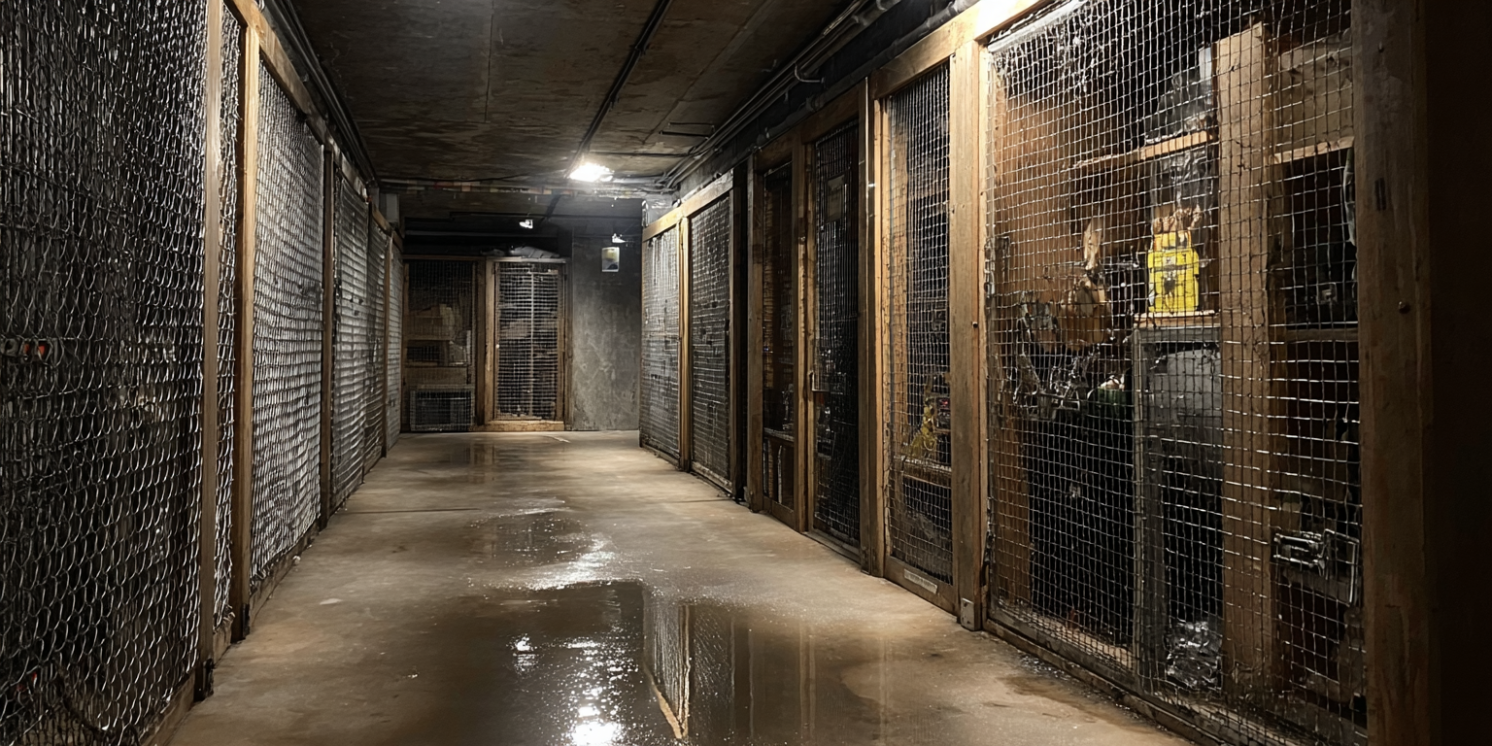
A few years ago, my parents downsized to a new Metro Vancouver condo tower that had a car wash station built into the fifth of its six-level parking garage. However, the property developer failed to take both the popularity of this feature and the rising water table into consideration.
The constant usage of the car wash station over the first two years resulted in water dripping into the unsealed adjoining walls. That led to significant amounts of mold seepage and buildup in the sixth level storage lockers and bike rooms--which was largely unnoticed until it was too late.
This was an extremely costly catastrophe that necessitated significant remedial (and ongoing) action by the developer (on their dime) and inconvenienced residents for more than a year and a half.
In construction and property management, oversight and deferred maintenance can kill net operating income and send asset values into a tailspin.
Small issues like stains and leaks quietly worsen until they become capital-level repairs. Early detection of these leaks and moisture stains could have mitigated risk and enabled preventative maintenance on a smaller, less costly scale, instead of full-blown reactive emergencies.
This is why long-term condition monitoring should have been in the property developer's toolkit. A visual history built and retained over long periods of time highlights slow changes that humans miss.
Learn how we can help property managers, construction firms, and other businesses leverage the power of timelapse photography to address those pain points before they become big problems.