An Expensive Snow Job of a Cleanup
Published: February 6, 2026
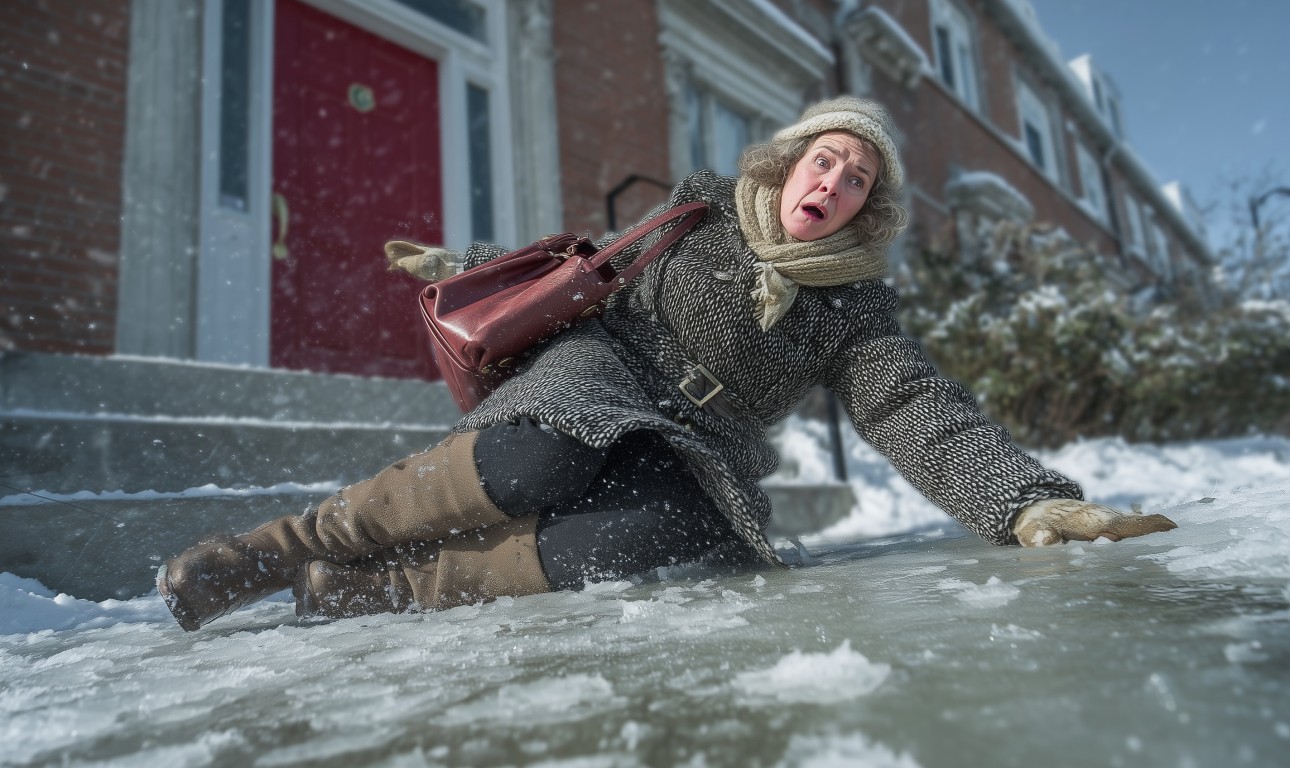
At a condominium complex in Rockville, Maryland, property management hired a snow-removal contractor to clear the pathways after a winter storm. On paper, the job appeared to be “done.”
Shortly afterwards, a tenant slipped on an icy patch outside and suffered severe injuries.
During the litigation process, investigators discovered that: (1) the snow-removal contract lacked clear de-icing requirements, and (2) the property manager had no documentation or photos to show what conditions looked like after the service was performed.
The eye-watering $3 million lawsuit filed by the tenant could not be defensively mitigated, due to lack of visual proof.
In this case, snow removal didn't reduce liability; in fact, it did just the opposite. Problems aren’t dramatic (or visible) until someone gets hurt. Relying on periodic walkthroughs and vendor assurances are risky propositions, because when something goes wrong, there’s no visual audit trail.
There are so many reasons why long-term condition monitoring should have been in the property manager's toolkit: a passive, timestamped visual record would have shown the condition of high-risk common areas, day after day; demonstrated proof of snow clearing and de-icing; offered evidence of lighting outages or repairs; highlighted early detection of trip hazards, pool issues, or neglected areas; and provided stronger legal defensibility if something went wrong.
A visual history built and retained over long periods of time highlights slow changes that humans miss.
Learn how we can help property managers leverage the power of timelapse photography to address those pain points before they become big problems.